Research
We develop new machine learning and reinforcement learning algorithms, grounded in optimization and control, to solve complex decision-making problems in transportation and power systems. Our research advances AI methods for coordinating large systems, adapting to uncertainty and making better use of limited resources.
Theory and methods
- Optimization
- Control
- Machine learning
- Reinforcement learning
Cities run on decisions that are connected across time and across people. Assigning a vehicle to a passenger now changes where that vehicle will be available later. Charging a battery today affects both its future flexibility and the electricity bill at the end of the month. These links make individual decisions difficult to judge in isolation. We develop methods that describe these interactions, compare possible decisions and coordinate many participants when information is incomplete. Optimization helps identify choices within practical constraints, while control provides a way to update those choices as conditions change.
Our research also asks how machine learning and reinforcement learning algorithms can learn decision rules from experience. Machine learning helps represent complex patterns in data, and reinforcement learning studies choices through the consequences they produce over time. We investigate how multiple decision-makers can learn to cooperate, how decision rules can be learned from recorded data, and how learned models can work with established optimization tools. We examine these ideas through mathematical analysis, simulation and operational data. The aim is to develop methods for managing large systems and examining their consequences, with applications ranging from mobility platforms to power utilities. These questions bring together mathematical reasoning, AI and software development, skills that connect theoretical research with the design of services people use every day.
Transportation systems
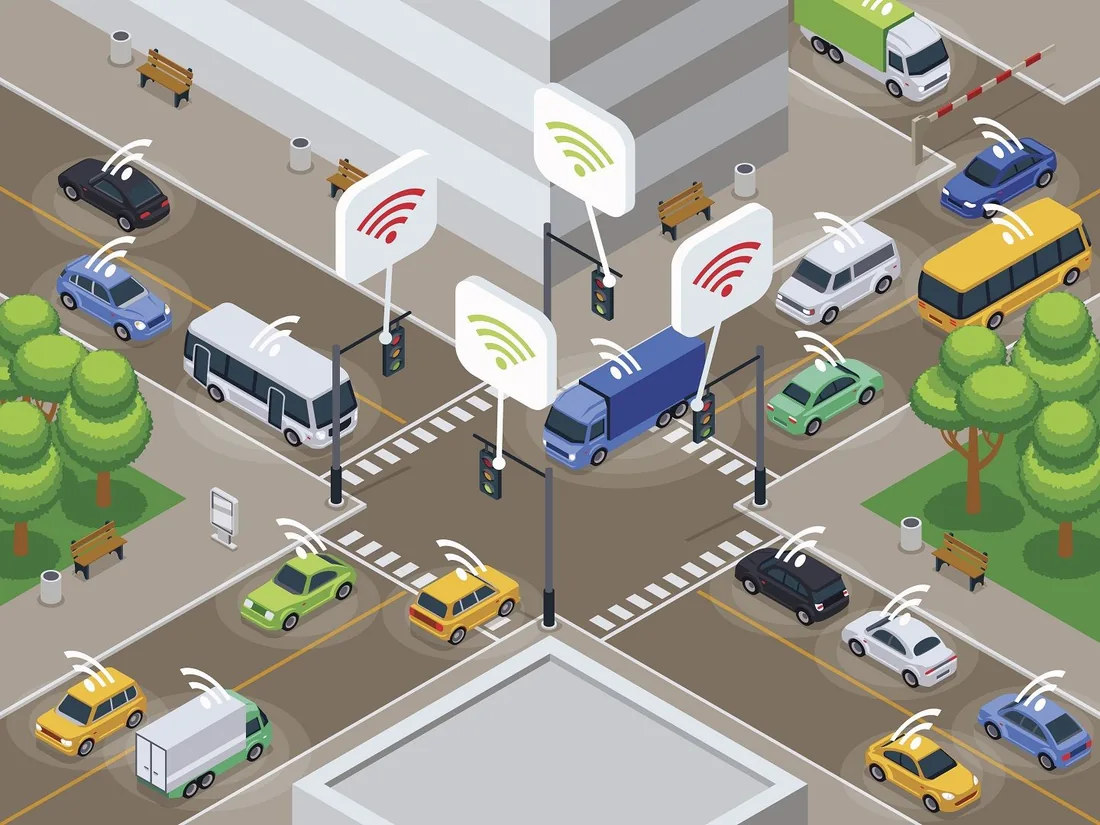
Getting people and goods around a city requires many decisions to work together. A shared ride must work for several passengers, a delivery may require a handoff between a courier and a drone, and an electric fleet needs time and places to recharge. Decisions made by one platform can also change traffic conditions and demand for public transport. We study how these services can be planned and operated together. Our research examines who should serve each request, where vehicles should wait or move next, and how shared mobility can connect with public transport.
We combine mathematical models with machine learning and reinforcement learning to explore these questions. Using recorded travel and delivery data, we build simulations in which different operating rules can be compared and decision rules can be learned. We also study the incentives facing platforms, passengers and workers, including how fares, wages, privacy rules and regulations affect their choices. This links operational questions to wider concerns about congestion, access and working conditions. By making these trade-offs visible, we aim to support transportation services and policies that serve a city’s needs as well as the people using and providing them. The same combination of data analysis, algorithm design and an understanding of human behavior is useful in mobility platforms, logistics operations and public planning.
Power systems
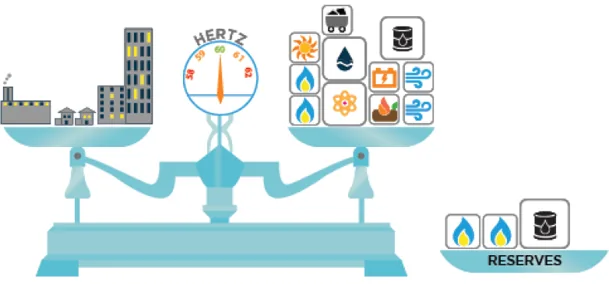
Power systems are changing as renewable generation, batteries and electric vehicles become more common. Solar and wind output varies with the weather, while homes, businesses and transport services need power at different times. Keeping supply and demand balanced therefore depends on coordinating resources across the network. We study how electricity use, storage and charging can respond to these changing conditions. One focus is the operation of industrial solar–battery systems, where decisions must account for both the electricity consumed over a month and charges linked to the highest level of power demand.
Our work combines optimization, control and learning to investigate when batteries should charge or discharge, how flexible electricity demand can help the grid, and how electric fleets interact with power infrastructure. We explore ways to learn operating strategies from recorded data and examples of good decisions, and examine how to assess those strategies under changing conditions. We also investigate market arrangements that coordinate many smaller resources and planning choices for charging networks. The wider goal is to help manage a power system with more renewable generation while considering operating costs, the needs of users and the links between electricity and transportation. Work in this area connects AI and mathematical modeling with practical questions faced by utilities, grid operators and businesses electrifying their operations.